What We Do

Services

Every concrete job we take on, from a small patch to a full driveway pour.

HomeServices

Everything we take on

Every job below is one we do ourselves across San Angelo.

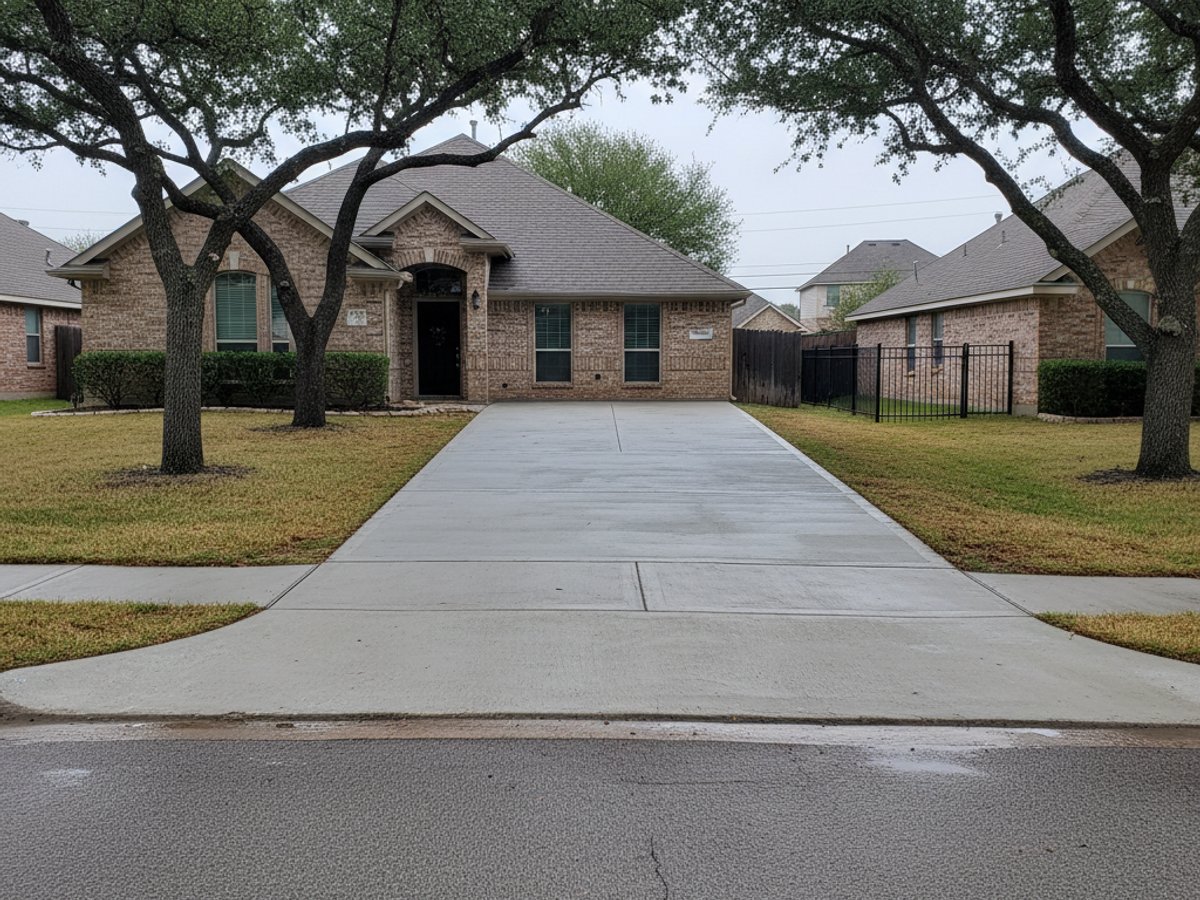
Concrete Driveways

We form, pour and finish driveways sized for trucks and trailers, not just a sedan. Base prep matters more than the mix out here, so we compact and grade before anything gets poured.

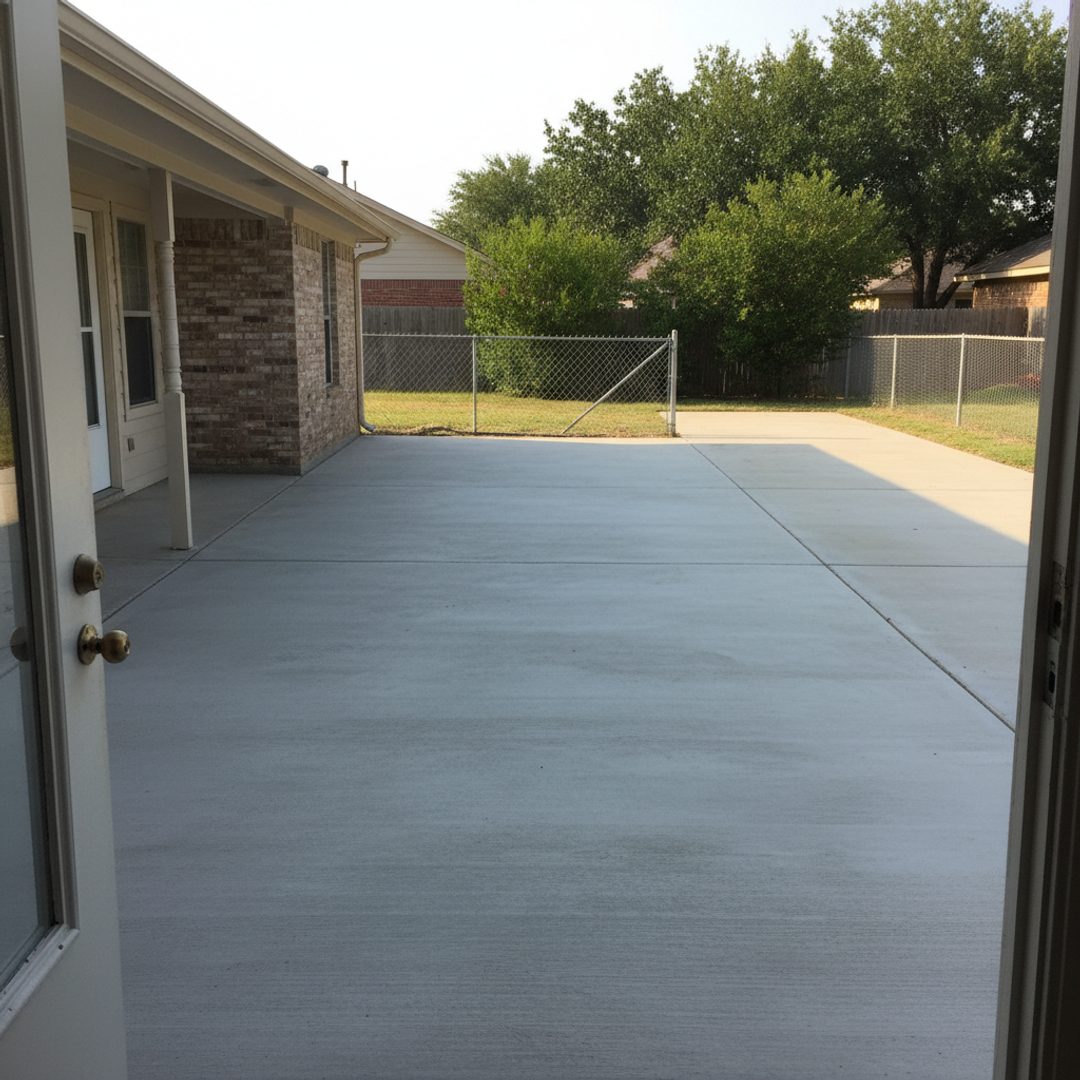
Concrete Patios

A patio poured with the right slope so water runs off instead of pooling by the back door. We can broom finish it plain or add a stamped pattern if you want more than gray concrete.

Stamped Concrete

Stamped and colored concrete that looks like flagstone, brick or slate for a fraction of the cost of setting real stone. We seal it after cure so the color holds up under West Texas sun.

Concrete Repair

Cracked slabs, sunken sections, and spalling surfaces get patched, resurfaced, or cut out and replaced depending on how bad the damage is. Not every crack means the whole slab has to go.

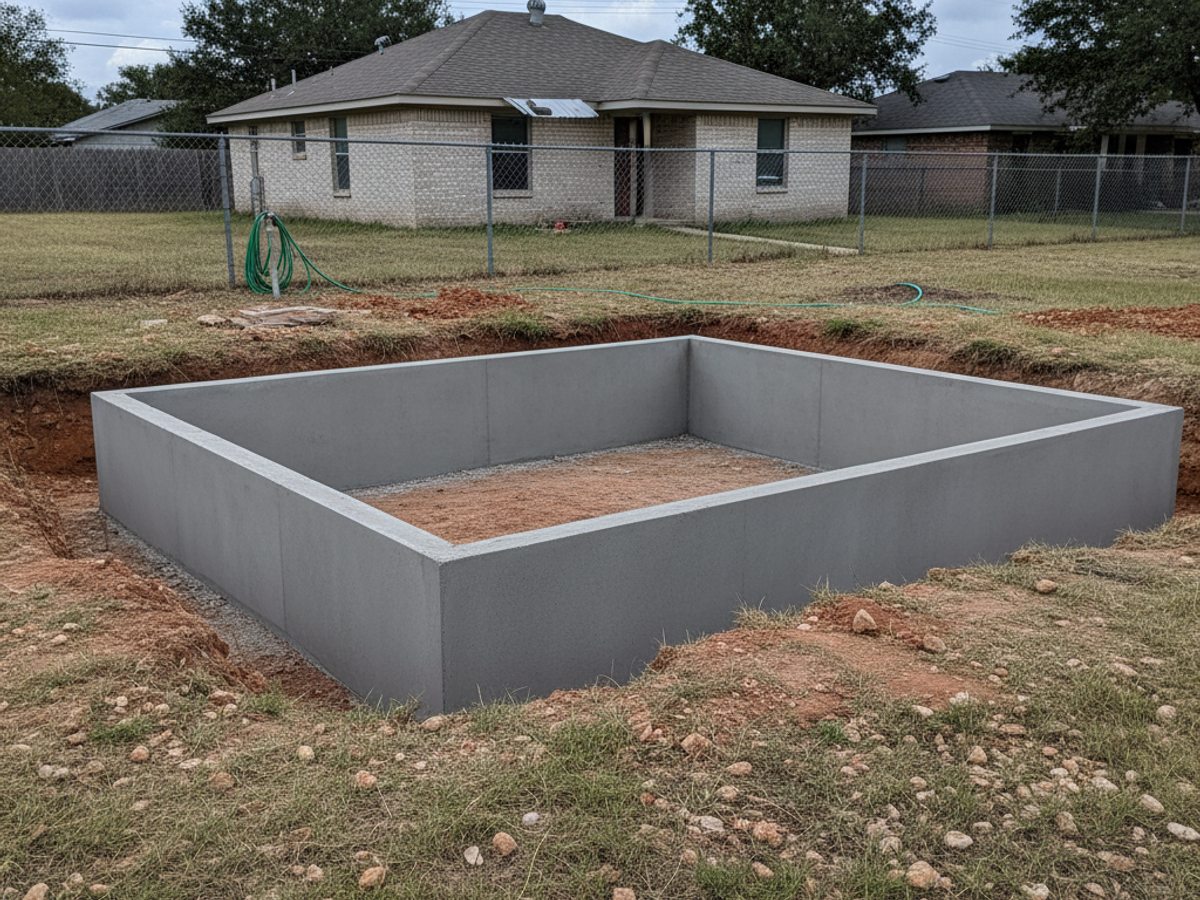
Concrete Slab Foundations

Foundations poured level and reinforced for sheds, garages, and additions. We check the soil and adjust rebar spacing before the pour, not after something settles wrong.

Concrete Sidewalks & Walkways

Sidewalks and walkways poured to the width and slope the city expects, with joints cut to control where they crack.

Concrete Steps & Porches

Steps and porch slabs formed and poured to match existing grade, with a broom finish so they're not slick when wet.

Concrete Resurfacing

A thin overlay poured over an old slab that's worn or discolored but still structurally sound. Cheaper than tearing out and starting over.

Concrete Curbing

Poured curb for flower beds, driveways, or parking areas, formed on site to whatever line you need.

Concrete Retaining Walls

Retaining walls poured or block-formed to hold back a slope or grade change, tied in with drainage so water doesn't build up behind them.

How It Works

Four steps, and no surprises in any of them.

01

We come and look

You tell us what you want doing, we look at what is actually there, and we ask the awkward questions early.

02

You get a price

In writing, itemised, free. If something might add cost later we flag it now rather than at the end.

03

We do the work

Same crew throughout. We cover your floors, keep the dust down and tidy up before we leave each day.

04

We walk it with you

You point out anything you are not happy with and we fix it before the invoice, not after.

Where We Work

All of this, across San Angelo, TX

These are the towns around San Angelo where we pour and repair concrete.

San Angelo, TX
Ballinger, TX
Grape Creek, TX
Winters, TX
Eldorado, TX
Miles, TX
Bronte, TX
Robert Lee, TX
Mertzon, TX
Wall, TX
Christoval, TX
Water Valley, TX
Common Questions

Things worth asking

Questions that come up once a concrete job is actually underway.

Do I need a permit for a concrete driveway or patio?
Permit requirements for concrete flatwork depend on the city or county and whether the work involves a public right-of-way like a sidewalk or driveway approach. Checking with the local building department before the pour avoids having to redo work that didn't meet code.
How long does a typical concrete pour take?
A standard driveway or patio pour usually takes one to two days for forming and placing, but the concrete needs 24 to 48 hours before foot traffic and about a week before vehicles drive on it. Full cure strength takes closer to 28 days, though the slab is usable well before that.
Can concrete work be done on a tight budget?
Plain gray concrete with a broom finish costs less than stamped, colored, or exposed aggregate finishes, and reducing square footage or thickness where structurally acceptable also lowers cost. A written quote should break down where the money goes so it's clear what can be adjusted.
Do you guarantee your concrete work?
Reputable concrete contractors stand behind workmanship against issues like improper finishing or joint placement, though normal concrete behavior like fine surface cracking or minor efflorescence isn't a defect. Warranty terms should be spelled out in writing before the job starts.
Who will I be dealing with during the project?
On most concrete jobs, one point of contact handles scheduling, questions, and any changes during the pour, rather than the client dealing with a rotating cast of crew members. That contact should be reachable throughout the job, not just at the estimate stage.
What materials do you use for concrete work?
Standard flatwork uses a 3,000 to 4,000 PSI concrete mix reinforced with either rebar or fiber mesh depending on the load the slab carries. Driveways generally need rebar and a thicker pour than a patio or sidewalk built for foot traffic only.
Do I need to be home or move out during the concrete work?
Homeowners don't need to vacate the property during a concrete pour, but vehicles need to stay off driveways for about a week and pets or kids should stay clear of fresh concrete and exposed rebar. Access to water and a path for the concrete truck matter more than someone being present.
What should I do to prepare the site before the crew arrives?
Clearing the area of vehicles, furniture, sprinkler heads, and anything breakable near the pour site helps the job move faster on pour day. Marking known utility lines or septic components in the yard beforehand also avoids equipment hitting something underground.
What happens if something unexpected turns up once excavation starts?
Old concrete, tree roots, unstable soil, or buried debris found during excavation can change the scope and cost of a concrete job, usually requiring extra base material or a different approach. A contractor should stop and explain any change in price before continuing rather than after the fact.
How do I take care of new concrete after it's poured?
New concrete needs to cure slowly, so keeping it damp for the first several days and avoiding de-icing salts or harsh chemicals for at least a year helps prevent surface damage. Sealing a driveway or patio every few years protects the surface from oil stains and freeze-thaw cracking.

Not sure what you need?

Describe the problem and we will tell you what it probably is. No obligation.
Call (325) 732-8912